Medical child abuse can be difficult to recognize - and a lack of awareness can allow it to remain hidden.
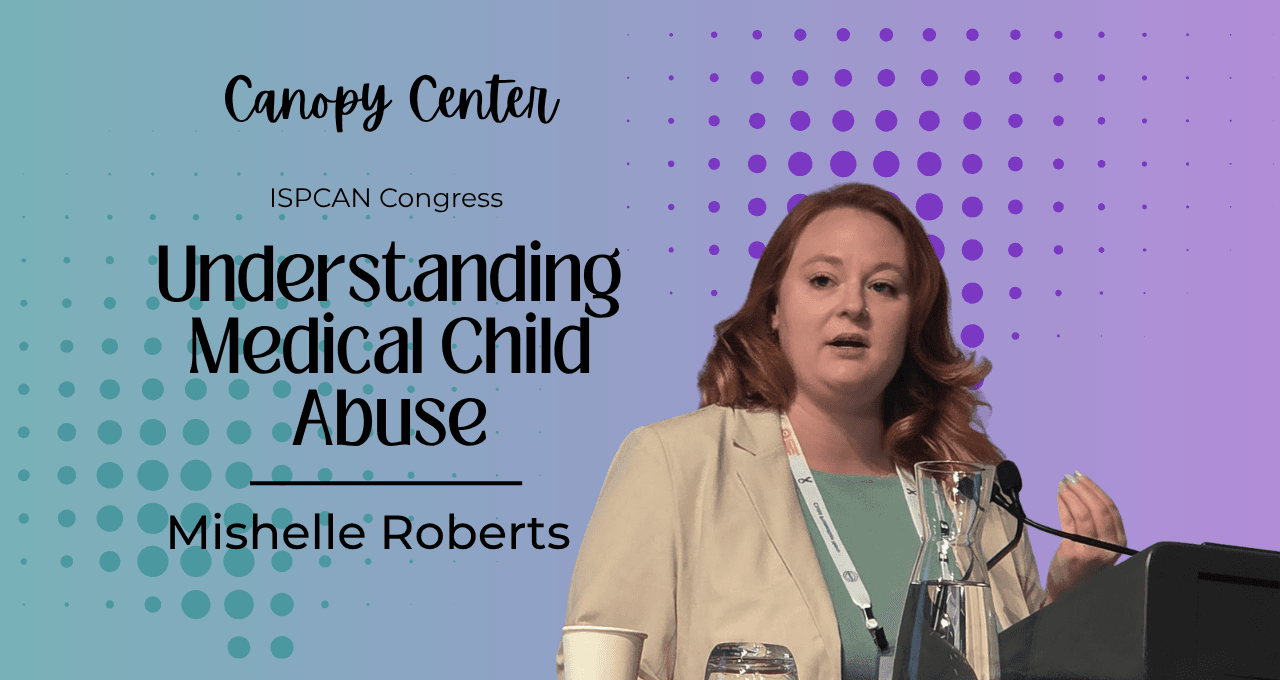
Canopy Center CASA Case Coordinator Mishelle Roberts recently presented at the 2026 International Society for the Prevention of Child Abuse and Neglect (ISPCAN) Congress in Melbourne, Australia. She spoke to nearly 100 doctors, social workers, medical professionals, law enforcement officers, and other child advocates about medical child abuse, also known as Munchausen by proxy.
Mishelle’s connection to the topic is personal. After experiencing medical child abuse within her own family, she joined a support group for survivors and non-offending family members in 2022. The experience became an important part of her healing and made it clear that greater awareness could lead to better outcomes for children.
During her presentation, Mishelle shared parts of her family’s experience and discussed missed opportunities to recognize and respond to abuse. She explored what medical child abuse can look like, how it affects children experiencing the abuse and those who witness it, and how professionals can become better equipped to identify and respond to concerns.
Medical child abuse occurs when a caregiver fabricates, exaggerates, or induces illness in a child. In some cases, a caregiver may report symptoms, behaviors, or limitations that others do not observe. For example, a parent may report that a child cannot eat without experiencing certain symptoms, while others observe the child eating without those issues. Reported symptoms may also improve when the child is separated from the caregiver.
Children experiencing this type of abuse may not understand that they are being harmed, making consistent and attentive adults in their lives especially important.
Mishelle sees a direct connection to her work with CASA of Dane & Columbia Counties. CASA Volunteers are not responsible for diagnosing abuse, but the time they spend with children gives them opportunities to listen, observe, and document concerns. If an advocate notices something that does not align with what has been reported, they can share those observations with their CASA Case Coordinator, who will help determine the appropriate next steps.
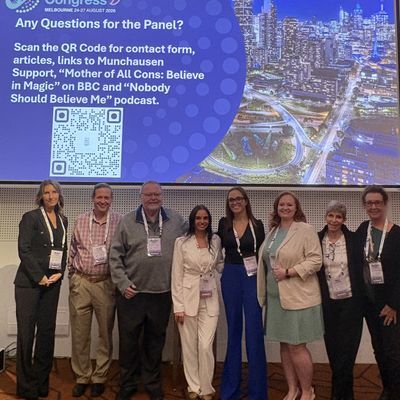
Whether she is speaking with professionals from around the world or supporting CASA Volunteers here at Canopy Center, Mishelle’s focus remains the same: helping adults recognize concerns, respond appropriately, and ensure children’s voices are heard.
Additional Resource: Mishelle recommends Munchausen Support for those interested in learning more.